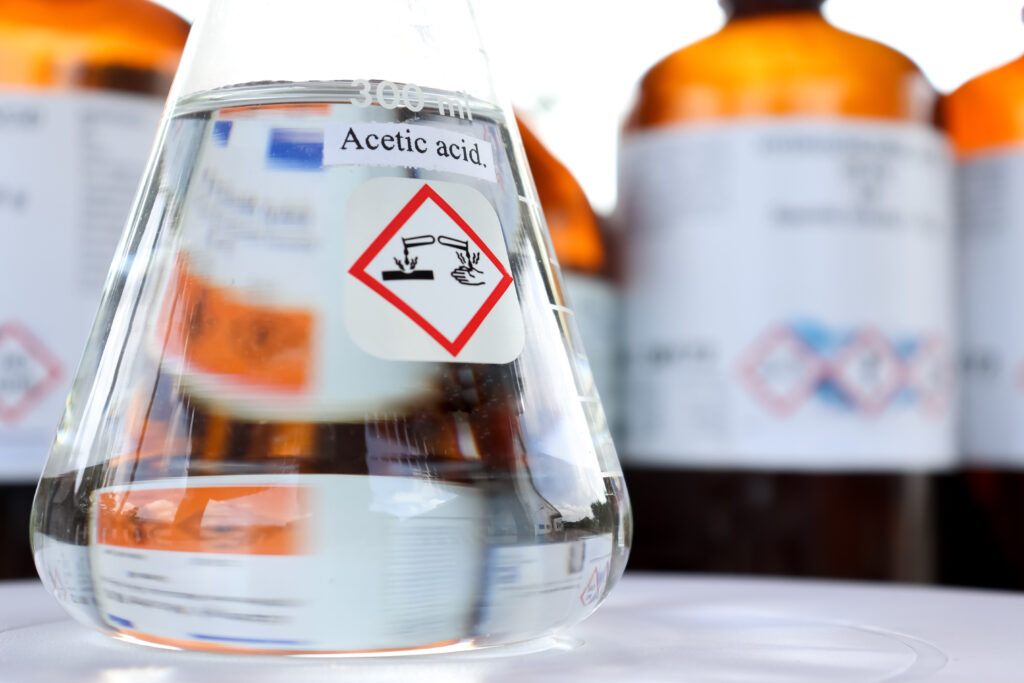
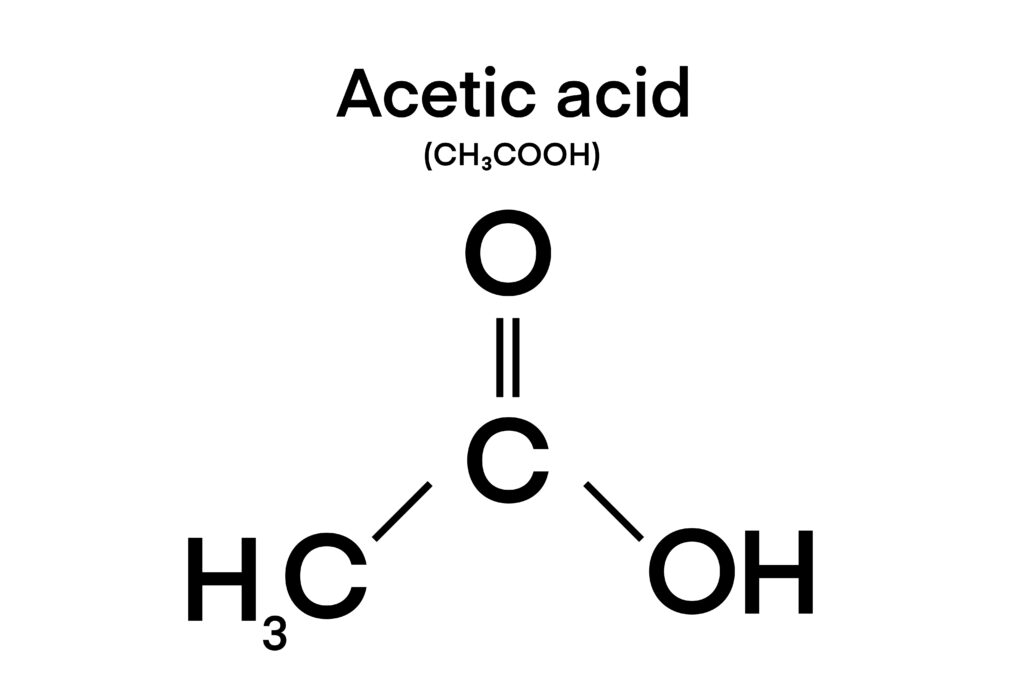
Chemical Structure: Acetic acid formula CH3COOH, is a colorless liquid with a distinct pungent odor
Solubility: it is highly soluble in water, making it a versatile solvent for numerous applications
Versatility: It exhibits properties suitable for various industrial, commercial, and household uses, including food preservation, cleaning, and manufacturing processes
Benefits of Acetic Acid
Food Preservation: it acts as a natural preservative, inhibiting the growth of bacteria and fungi in food products, thereby extending shelf life.
Cleaning Agent: Its acidic properties make it an effective cleaning agent for removing mineral deposits, grease, and stains from surfaces.
Chemical Synthesis: it serves as a vital raw material in the production of numerous chemicals, including acetic anhydride, vinyl acetate monomer, and various pharmaceuticals.
Environmental Friendliness: Compared to many harsh chemical cleaners, it is biodegradable and less harmful to the environment, offering a more sustainable alternative in cleaning applications.
Dangers
Corrosive Nature: Concentrated it can cause severe burns upon contact with the skin or eyes due to its corrosive properties.
Inhalation Hazards: Inhalation of chemical vapors may irritate the respiratory tract, leading to coughing, shortness of breath, and in severe cases, pulmonary edema.
Combustibility: it is flammable, and its vapors can form explosive mixtures with air, posing fire hazards if not handled properly.
Chemical Reactions: Mixing acetic acid with incompatible substances, such as bleach or ammonia, can produce toxic fumes, posing risks of chemical burns or respiratory distress
Prevention Measures for Safe Handling
Users should wear appropriate PPE, including gloves, goggles, and respiratory protection
Diluting chemical solutions and ensuring adequate ventilation in work areas can reduce the risk of inhalation and minimize exposure to vapors.
it should be stored in tightly sealed containers away from incompatible materials and sources of heat or ignition.
Establishing protocols for emergency response, including spill containment and first aid measures