

Latest Articles
medical
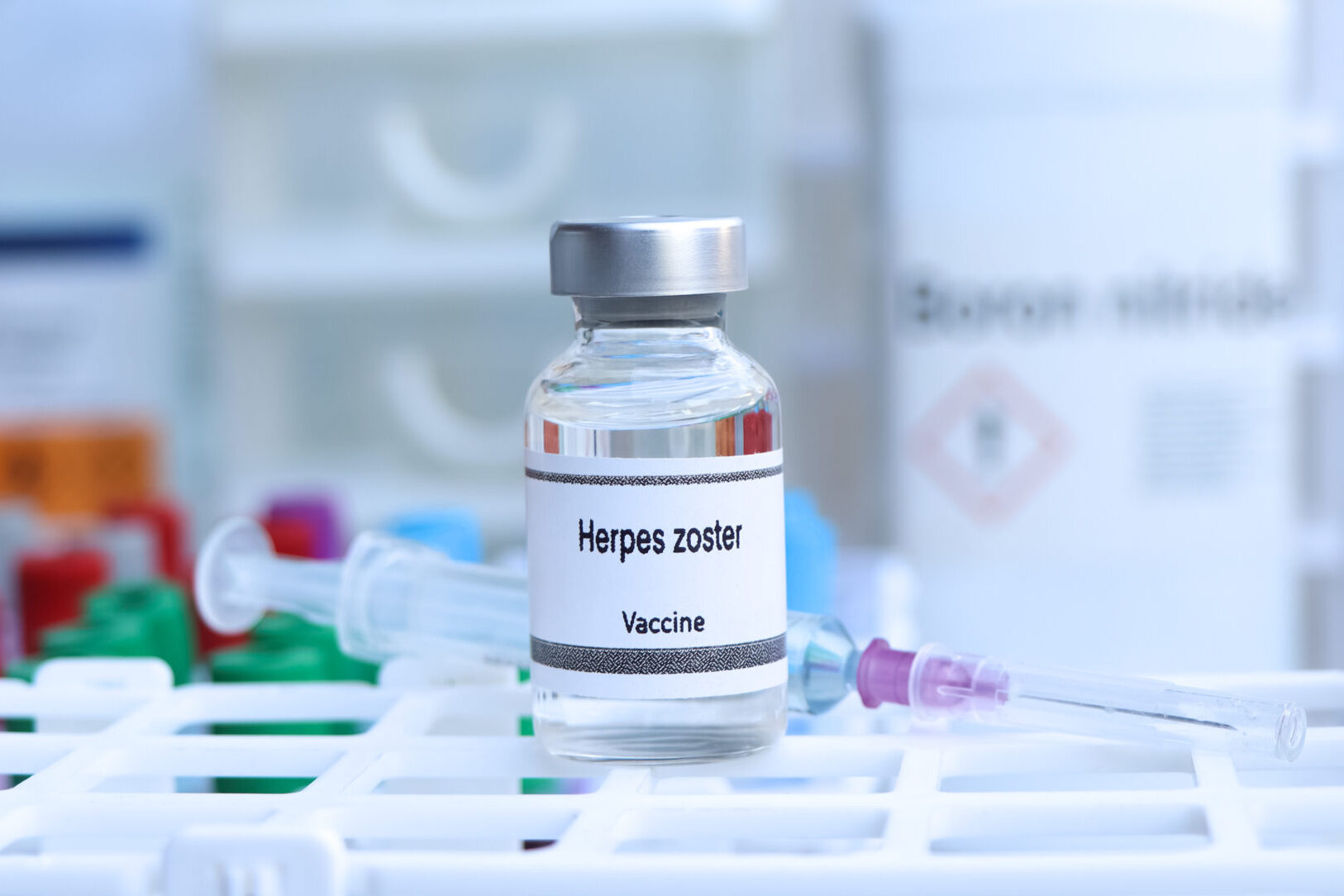
Herpes zoster vaccine
herpes zoster vaccine is designed to reduce the risk of developing shingles and to lessen the severity and duration of the disease if it occurs. Who Should Get the Herpes Zoster Vaccine? -Adults aged 50 and older -People with a history of shingles -Immunocompromised individuals Benefits -The primary benefit is that the vaccine significantly reduces the risk of developing shingles. -vaccinated individuals typically experience a milder form of the disease, with less pain and faster recovery. Side Effects -Fever -Headache -Muscle pain or fatigue -Pain, redness, or swelling at the injection site These side effects are typically mild and resolve
Read more
19
Dec
Dec
chemical
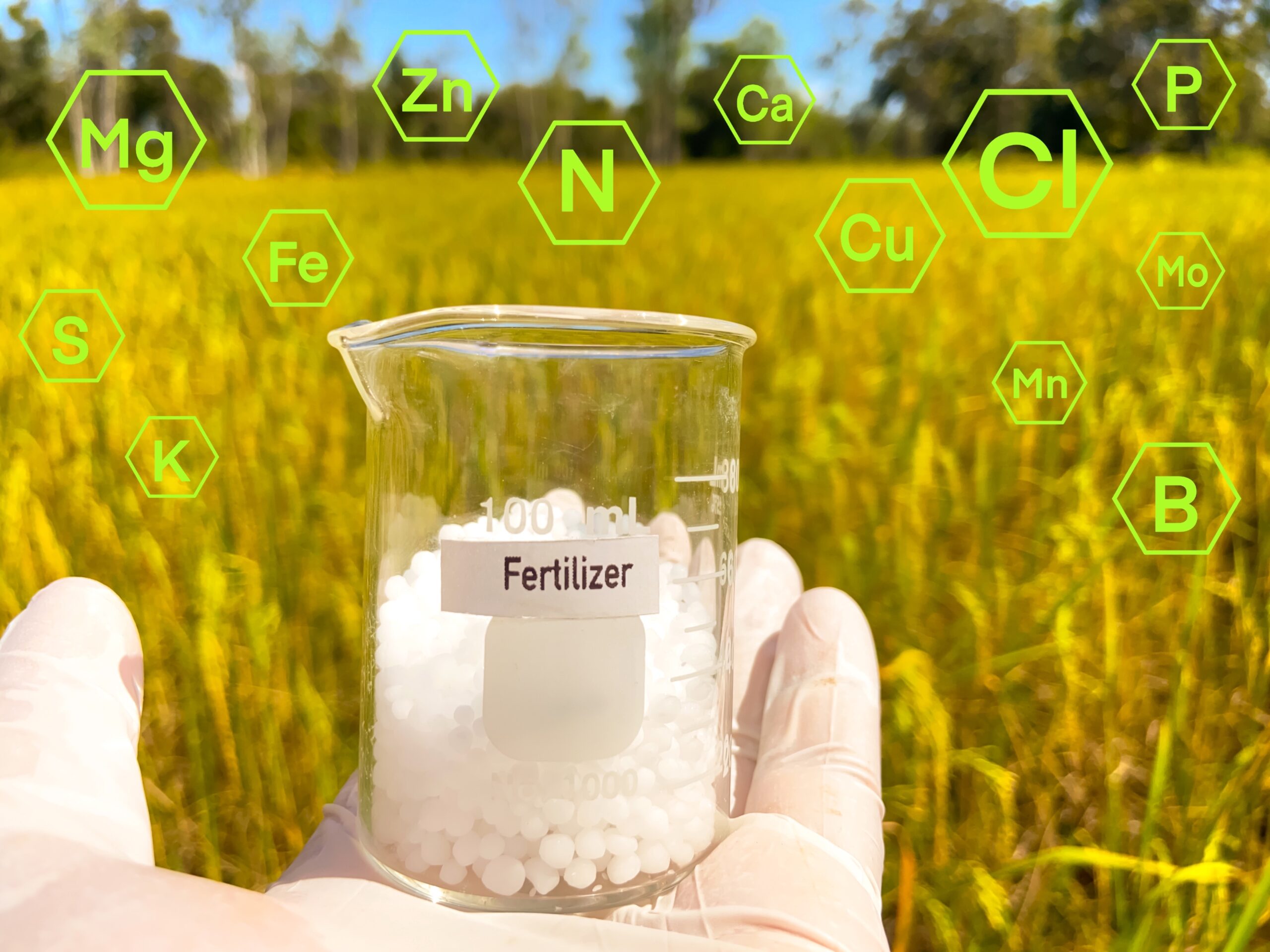
Fertilizer
What is Fertilizer? A fertilizer is a chemical or natural substance added to soil or plants to supply essential nutrients. These nutrients are vital for plant growth and development. Fertilizers can be classified into two broad categories: organic fertilizers and inorganic fertilizers. Organic Fertilizers: These are derived from natural sources like manure, compost, or plant residues. Inorganic Fertilizers: These are commercially produced fertilizers that contain synthetic chemicals. They are typically more concentrated than organic fertilizers and provide specific nutrients like nitrogen (N), phosphorus (P), and potassium (K) Types of Fertilizers -Granular Fertilizers -Liquid Fertilizers Advantages of Using Fertilizers -Improved Soil
18
Dec
Dec
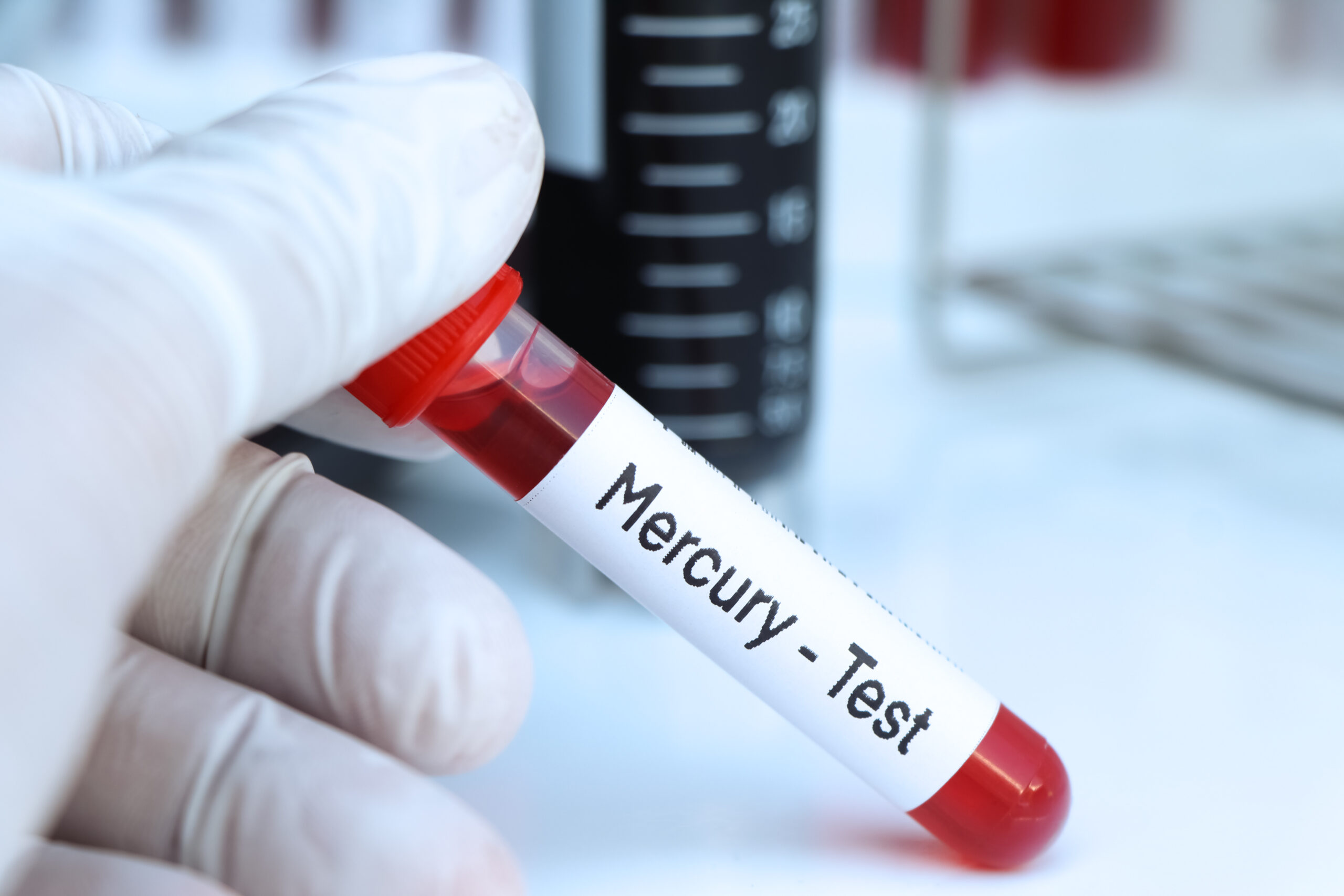
Mercury-test
Mercury is a heavy metal that can be toxic to humans, especially when it accumulates in the body. Why is mercury testing necessary? Mercury is highly toxic, which can accumulate in the body and affect various organs, especially the brain and kidneys. The health risks associated with mercury exposure can be acute or chronic, depending on the level and duration of exposure. Health Risks of Mercury Exposure Mercury is highly toxic, which can accumulate in the body and affect various organs. -Neurological Effects -Kidney Damage -Cardiovascular Effects -Reproductive Health Risks Prevention of Mercury Exposure -Monitor Fish and Seafood Consumption -Avoid
14
Dec
Dec
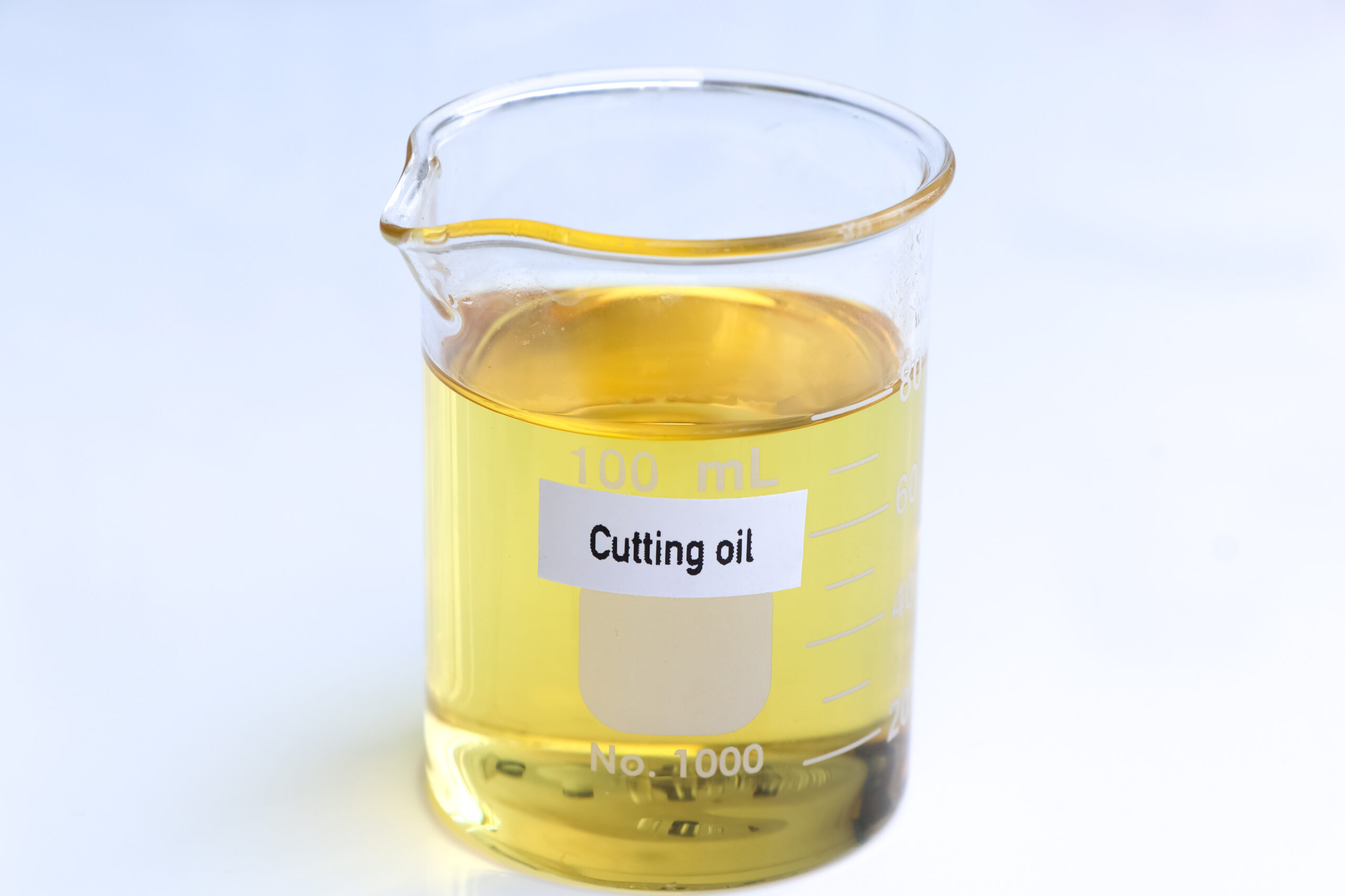
Cutting oil
Cutting oil is an essential fluid used in machining and metalworking processes to reduce friction, cool the workpiece, and improve tool life. Properties of Cutting Oil Lubrication: reducing friction between the cutting tool and the material being worked on. Cooling: cutting oil is dissipate the heat generated during the cutting process. Benefits of Cutting Oil -Increased Tool Life -Prevention of Rust and Corrosion -Reduced Heat Generation -Enhanced Cutting Efficiency Hazards of Cutting Oil -Spilled cutting oil can contaminate water sources and soil if not disposed of properly. The chemicals and additives in the oil may be toxic to aquatic life
13
Dec
Dec

Engine oil
It ensures smooth performance, reduces wear and tear, and helps to maintain engine efficiency. Properties Thermal Stability: Engine oil must withstand high temperatures without breaking down. Viscosity: It determines how well the oil circulates in the engine under various temperatures. Lubricating Ability: To reduce friction, which reduces wear and tear on parts. Applications it is used in various types of engines, from cars and trucks to motorcycles, machinery, and industrial equipment. Risks of Engine Oil Environmental Pollution: Engine oil is hazardous to the environment and can contaminate soil and water if not disposed of properly. Engine Damage Due to Poor
13
Dec
Dec

Ethylene Glycol
Properties Appearance: Ethylene glycol is a colorless, odorless, and sweet-tasting Physical State: it is a liquid at room temperature. Solubility: It is highly soluble in water and alcohol. Viscosity: it has a high viscosity compared to water. Benefits – used in antifreeze and coolants for cars, trucks, and other vehicles. -It serves as a solvent in various chemical processes. Hazards of Ethylene Glycol -it is highly toxic when ingested, inhaled, or absorbed through the skin. -large spills can lead to significant environmental damage. -If it comes into contact with eyes, it can cause redness and pain -A spill or leak
12
Dec
Dec
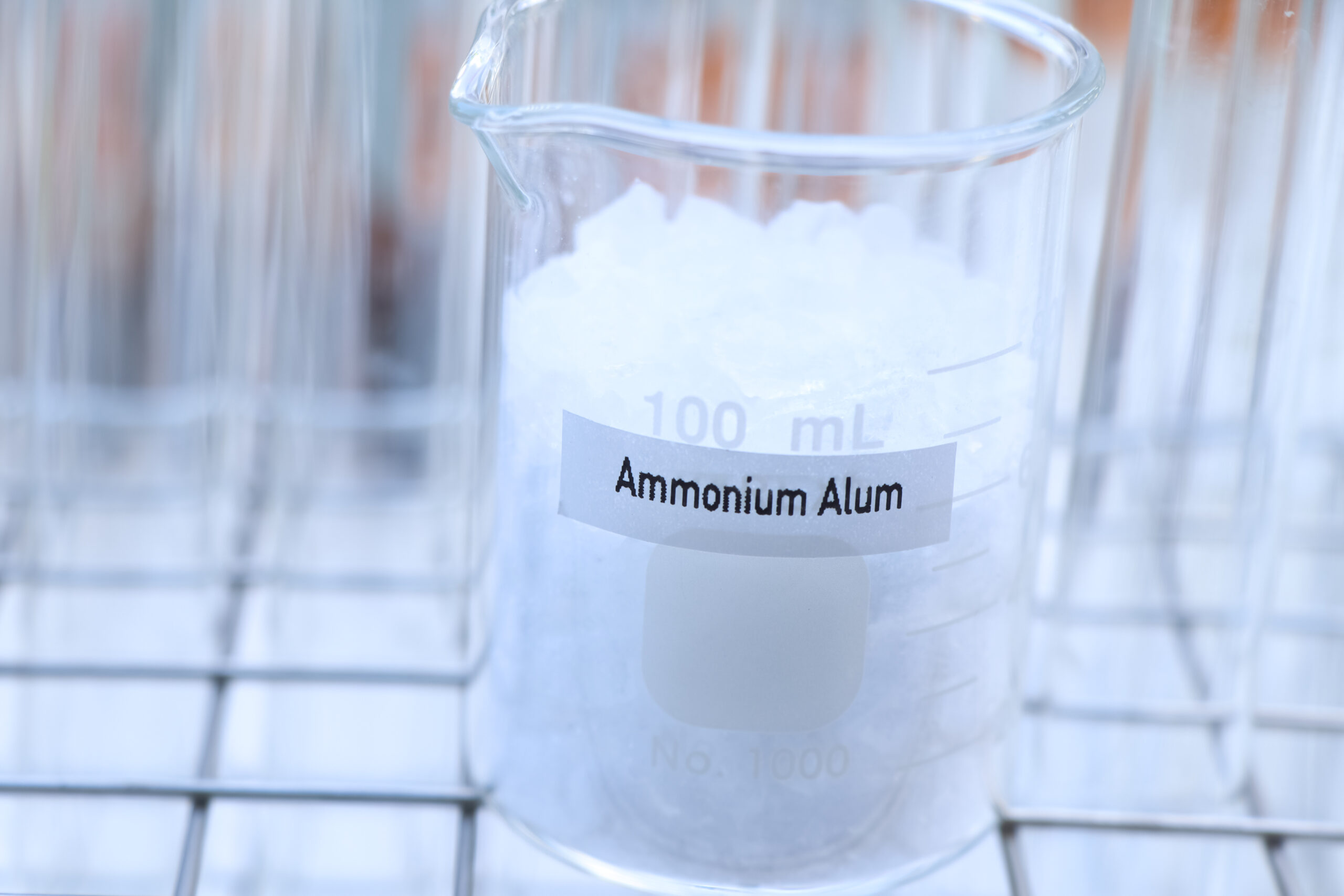
Ammonium Alum
Properties Appearance: Colorless crystals or white, odorless powder. Solubility: It is highly soluble in water, forming a solution that is mildly acidic. Benefits – It is used in deodorants. – it is commonly used in water treatment. Hazards -Direct contact with ammonium alum can cause mild irritation to the skin and eyes. -Inhalation of ammonium alum dust or vapors can cause respiratory issues, including irritation of the nose, throat, and lungs. -When it is used in large quantities, particularly in water treatment, it can impact aquatic ecosystems. Prevention and Safety Measures Personal Protective Equipment (PPE): When handling it in industrial
12
Dec
Dec
medical
Herpes zoster vaccine
herpes zoster vaccine is designed to reduce the risk of developing shingles and to lessen the severity and duration of the disease if it occurs. Who Should Get the Herpes Zoster Vaccine? -Adults aged 50 and older -People with a history of shingles -Immunocompromised individuals Benefits -The primary benefit is that the vaccine significantly reduces the risk of developing shingles. -vaccinated individuals typically experience a milder form of the disease, with less pain and faster recovery. Side Effects -Fever -Headache -Muscle pain or fatigue -Pain, redness, or swelling at the injection site These side effects are typically mild and resolve
19
Dec
Dec

Influenza testing
Influenza testing is the process of diagnosing whether a person has the flu virus, a contagious respiratory illness. The testing helps healthcare providers identify the virus, determine the appropriate treatment, and implement necessary public health measures to prevent its spread. types of influenza testing 1. Molecular Tests (PCR Tests) it is detect the genetic material of the influenza virus. 2. Rapid Antigen Tests (RIDTs) These tests detect specific proteins (antigens) on the surface of the flu virus. 3. Influenza Viral Culture Cultivation of viruses in the laboratory to identify their presence. 4. Direct Fluorescent Antibody (DFA) Test This test detects
19
Dec
Dec
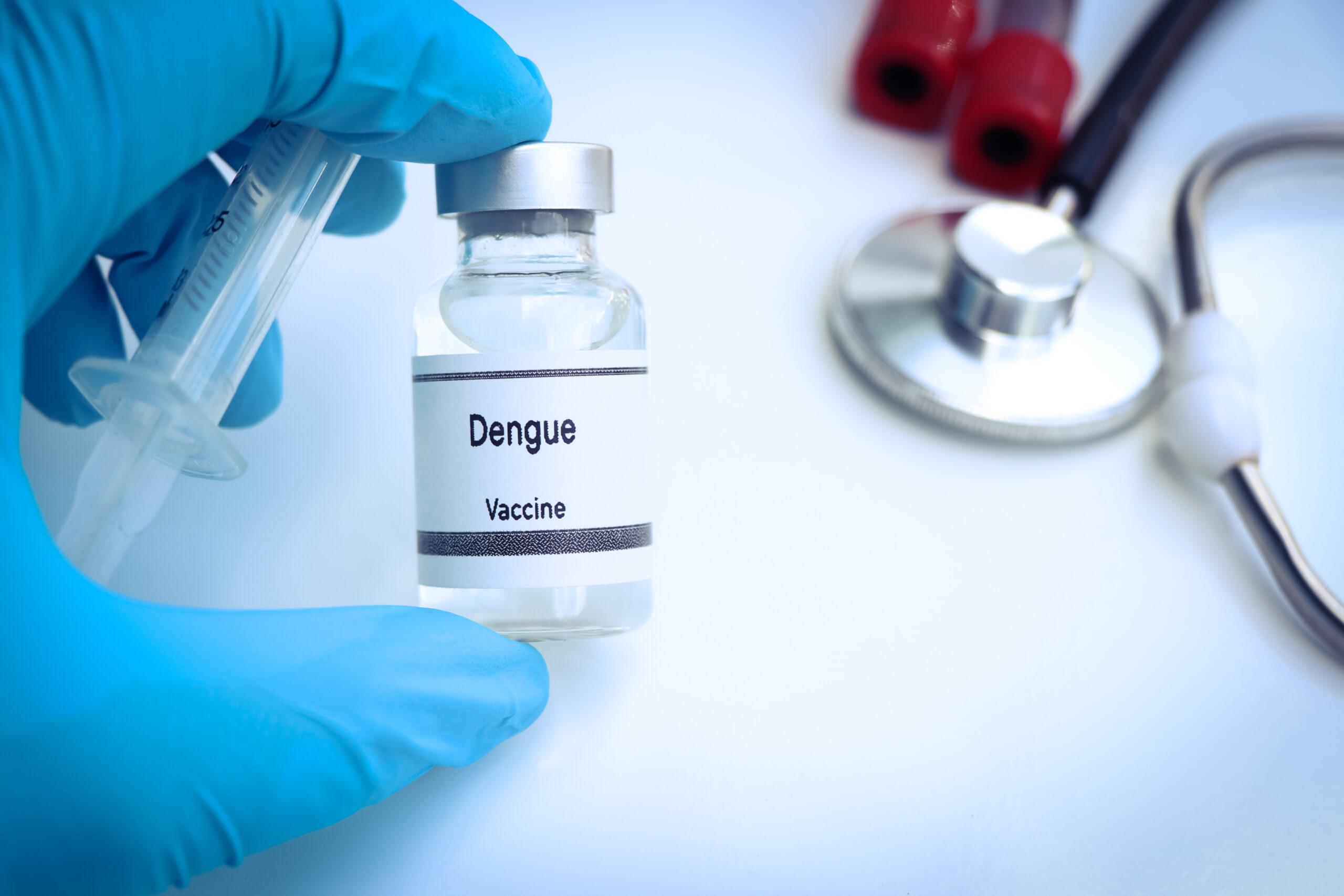
Dengue vaccine
Dengue fever, a mosquito-borne viral infection, remains one of the most significant global health threats. The disease, transmitted primarily by the Aedes aegypti mosquito, affects millions of people annually, particularly in tropical and subtropical regions. What is Dengue Fever? Dengue fever is caused by the dengue virus, which has four distinct serotypes (DEN-1, DEN-2, DEN-3, and DEN-4). The infection is transmitted when an infected mosquito bites a human, injecting the virus into the bloodstream. Symptoms of dengue fever can range from mild to severe and include high fever, severe headache, pain behind the eyes, joint and muscle pain, rash. Benefits
19
Dec
Dec

Silicone injection
Go to search page What is Silicone Injection? Silicone injections involve the use of medical-grade liquid silicone, a substance that is injected into different parts of the body to improve volume, shape, and contour. Applications Facial Contouring and Wrinkle Reduction: One of the most common uses of silicone injections is for facial enhancements. This can include increasing the volume of sunken cheeks, smoothing out wrinkles, or reshaping the chin or jawline. Breast Augmentation: silicone is injected directly into the breast tissue, enhancing size and shape without the need for surgical implants. Lip Enhancement: it is for lip enhancement. The procedure
18
Dec
Dec

Food -Testing
What is Food Testing? Food testing refers to the scientific processes used to analyze food for various factors, Food testing helps identify the presence of harmful chemicals, pathogens, allergens, and even verifies nutritional content to ensure labels are accurate, including contaminants, nutrients, additives, and the overall quality. The Importance of Food Testing -Consumer Safety -Quality Control -Regulatory Compliance -Label Accuracy Types of Food Tests -Microbiological Testing -Chemical Testing -Nutritional Testing -Allergen Testing -Shelf-life Testing -GMO Testing
18
Dec
Dec

Antibody test
Antibody tests, also known as serology tests, are laboratory tests used to determine if a person has been exposed to a particular pathogen, such as a virus or bacteria, in the past. What Are Antibodies? Antibodies, also called immunoglobulins, are proteins produced by the immune system to help defend the body against harmful invaders, such as viruses, bacteria, and toxins. How Do Antibody Tests Work? Sample Collection: A small sample of blood is drawn from a vein Testing Process: The blood sample is then exposed to specific antigens that correspond to the pathogen of interest. Results: If antibodies are present
18
Dec
Dec