

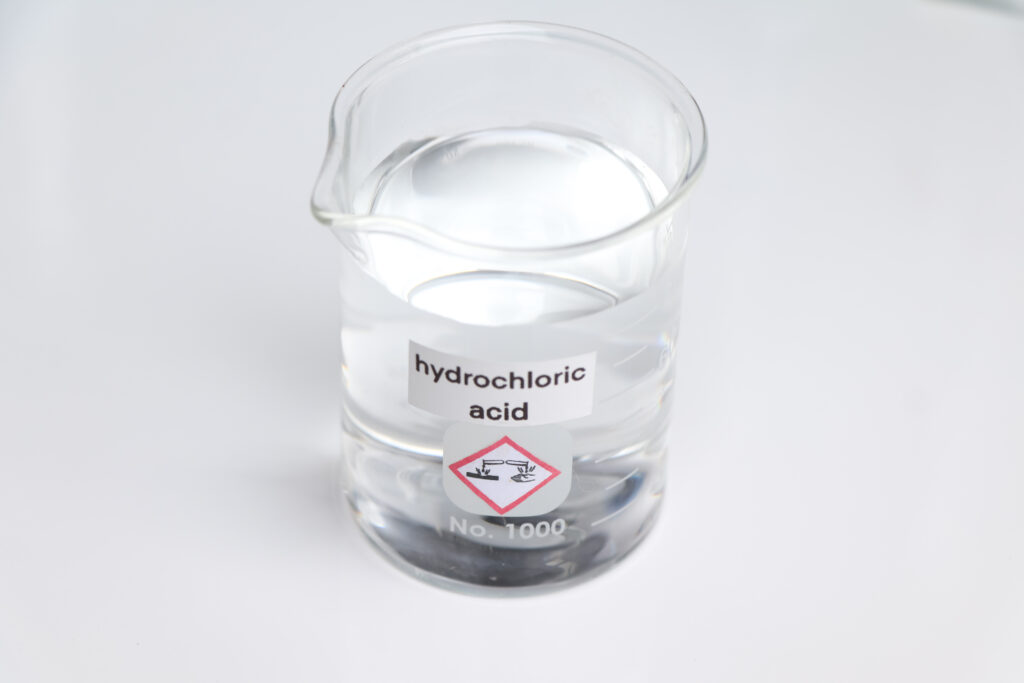
Formula :HCl
Hydrochloric acid, a clear, colorless solution with a sharp odor, is characterized by its high acidity and corrosive properties. Its molecular formula, HCl, signifies its composition of hydrogen and chlorine atoms. The strength of hydrochloric acid lies in its ability to dissociate completely in water, forming hydrogen ions (H ) and chloride ions (Cl ), resulting in a low pH. Industrially, it is produced through the reaction of hydrogen chloride gas with water or as a byproduct in various chemical processes. Its corrosive nature makes it a valuable tool in industrial processes, especially for cleaning metals, adjusting pH levels, and synthesizing other chemicals

Benefits of Hydrochloric Acid
Hydrochloric acid plays a pivotal role in numerous industries due to its versatile applications. In metal processing, it is used for pickling and descaling to remove oxides and rust from surfaces, preparing them for further treatment. It serves as a key component in the production of various chemicals, including pharmaceuticals, fertilizers, and dyes. Additionally, hydrochloric acid is instrumental in water treatment processes, aiding in pH adjustment and the removal of contaminants. Its role in chlorine production is vital for disinfection in water treatment and swimming pool sanitation. Moreover, hydrochloric acid is employed in the food industry for pH regulation and as a flavor enhancer in certain products.
Dangers of Hydrochloric Acid
Despite its utility, hydrochloric acid poses significant hazards to human health, safety, and the environment. Direct contact with concentrated solutions can cause severe burns and tissue damage, leading to long-term health complications. Inhalation of its vapors can result in respiratory irritation, coughing, and lung damage. Accidental ingestion may lead to gastrointestinal burns and systemic toxicity. Environmental hazards include soil and water contamination, which can harm ecosystems and affect drinking water sources
Preventive Measures for Safe
Proper storage, labeling, and segregation of containers are essential to prevent accidental spills and chemical reactions. Emergency response plans should be developed, communicated, and practiced regularly to ensure swift and effective action in case of accidents or spills.Mitigating the risks associated with hydrochloric acid requires stringent safety measures and adherence to protocols. Personnel handling hydrochloric acid must receive adequate training on its properties, hazards, and safe handling procedures. Personal protective equipment (PPE), including gloves, goggles, and respiratory protection, should be worn to minimize exposure. Ventilation systems should be in place to control airborne concentrations of the acid. Dilution with water should be performed cautiously, following established guidelines to prevent splashes and exothermic reactions.
