

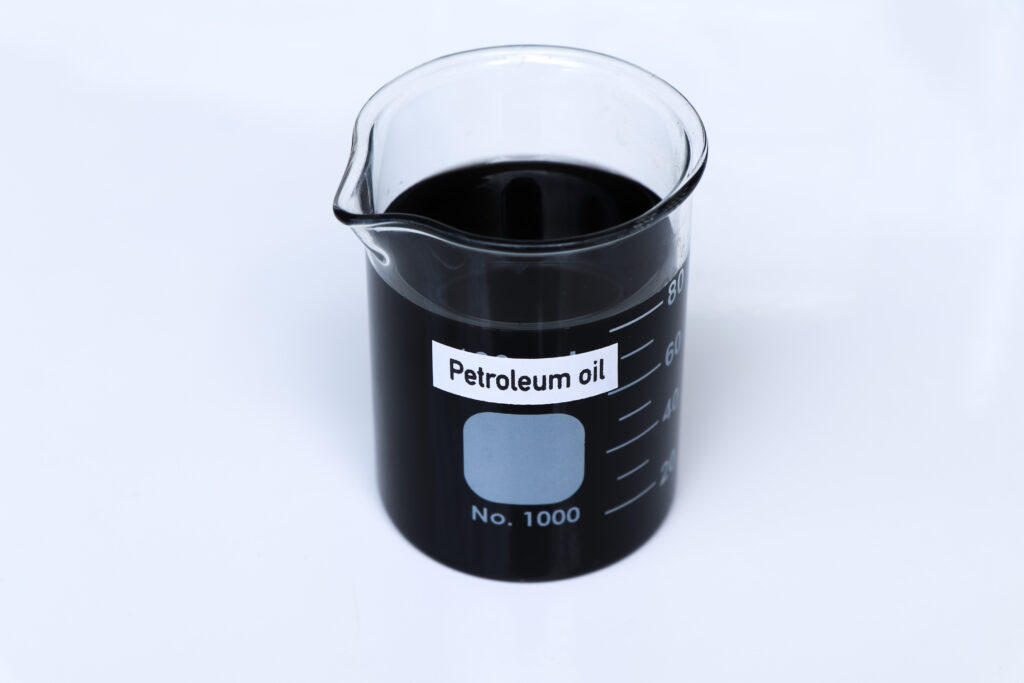
It is the raw material used to produce a wide range of products such as gasoline, diesel, jet fuel, lubricants, plastics, and even chemicals that are vital to everyday life.
Properties of Petroleum Oil
Color: The color of it can range from clear or pale yellow to black, depending on its type and the refining processes it undergoes.
Boiling Point Range: Petroleum oil consists of a wide range of hydrocarbons with varying boiling points. The crude oil is separated into different fractions through a process called distillation.
Viscosity: Crude oil can have varying viscosities, from light to heavy, depending on its chemical composition.
Flammability: Crude oil is highly flammable due to its hydrocarbon content.
Benefits
Energy Production: Petroleum oil is the primary source of energy for electricity generation. Gasoline and diesel.
Versatile Raw Material: It is used to make a wide variety of consumer goods, from plastics to synthetic rubber, cosmetics.
Economic Growth: The petroleum industry is a cornerstone of the global economy, providing jobs, driving technological advancements.
Global Transportation: Oil is vital for the functioning of international trade, allowing the movement of goods and people across long distances via road, rail, sea, and air.
Hazards
Health Risks: Prolonged exposure to petroleum products can have serious health consequences.
Environmental Impact: Oil spills are one of the most visible and devastating environmental hazards associated with petroleum oil. When oil leaks into water bodies, it can harm marine life, disrupt ecosystems.
Flammability and Explosion Risks: Petroleum oil is highly flammable, making it a fire hazard in both industrial and transportation settings. Improper storage, handling, or transportation can lead to dangerous explosions, posing risks to workers and communities.
Pollution: The extraction, refining, and burning of petroleum products release pollutants into the air, water, and soil. These pollutants, including carbon dioxide (CO2), sulfur dioxide (SO2), and nitrogen oxides (NOx), contribute to air pollution, global warming, and acid rain.
Depletion of Resources: Petroleum is a non-renewable resource, and its extraction depletes natural reserves over time.
Prevention and Safety Measures
Proper Handling and Storage: Petroleum oil should be stored in secure containers designed to prevent leaks, spills, and fires.
Safe Transportation: Oil transportation should be done in specially designed, leak-proof containers or pipelines.
Health Precautions: Workers in the petroleum industry should be provided with protective gear, including gloves, masks, and protective clothing, to prevent exposure to harmful chemicals and fumes.
Transition to Renewable Energy: To reduce the reliance on petroleum oil and mitigate its environmental impact, governments and industries are investing in renewable energy sources, such as solar, wind, and biofuels, as alternative options for power generation and transportation.
