

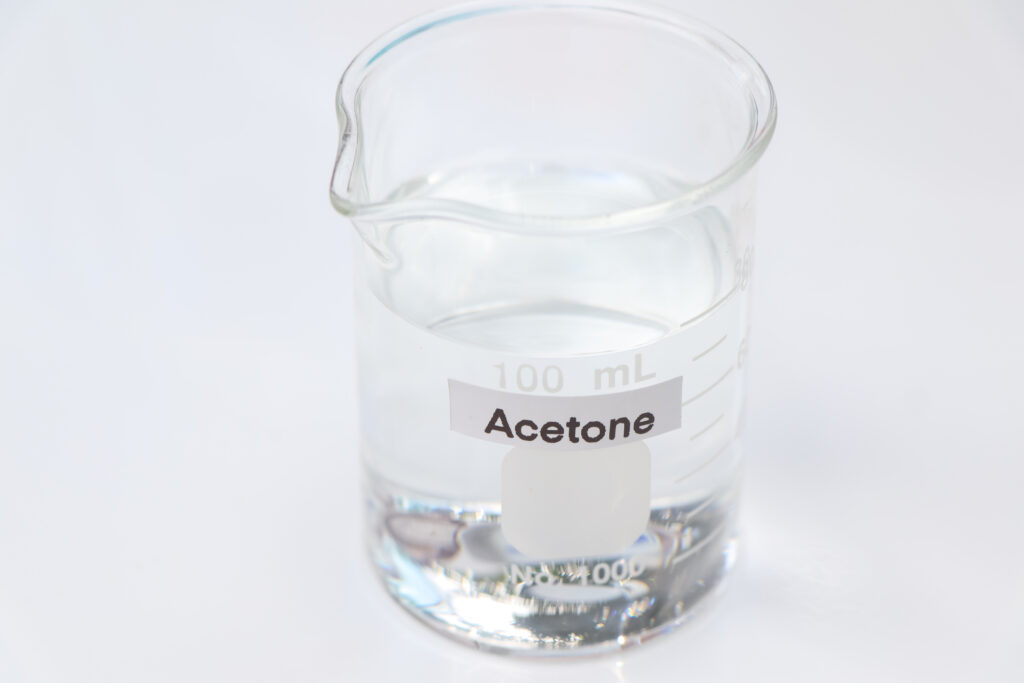
Formula :CH3COCH3
Acetone is a colorless, volatile liquid organic compound
1: Physical Properties of Acetone
1.1. Acetone is characterized by its distinct odor and rapid evaporation rate.
1.2. Solubility: It is highly soluble in water, ethanol, ether
1.3. it has a relatively low boiling point of 56.05°C (132.89°F)
1.4. it is less dense than water.
2: Benefits
2.1. Solvent: powerful solvent, dissolving many organic compounds, resins, and oils
2.2. Nail Polish Remover: Due to its excellent solvent properties
2.3. Industrial Applications: adhesive removers, and cleaning agents.
2.4. Medicinal Use: Use is utilized in pharmaceutical manufacturing processes and as a solvent for some medications and laboratory chemicals
3: Hazards
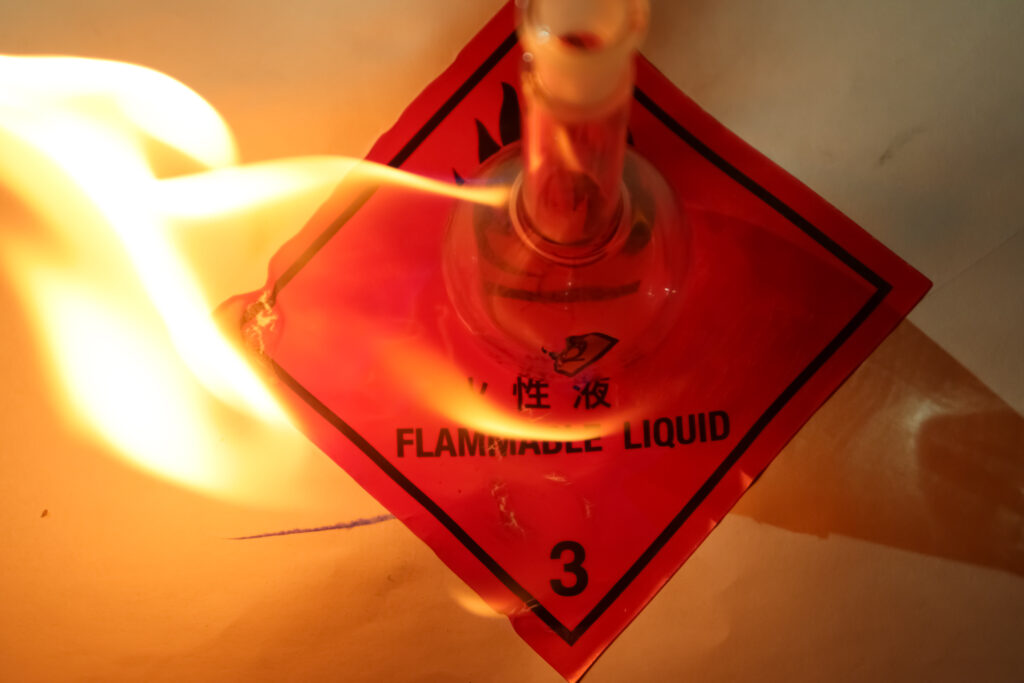
3.1. Flammability: posing a fire hazard in both liquid and vapor forms. Proper handling and storage are crucial to minimize the risk of fire accidents.
3.2. Health Risks: Prolonged exposure to vapor or skin contact can cause irritation
3.3. Environmental Impact: Improper disposal can contaminate soil and water sources, posing risks to aquatic life and ecosystems.
3.4. Explosive Hazard
4: Prevention Measures
4.1. Ventilation: reducing the risk of inhalation and fire hazards.
4.2. Workers handling acetone should wear appropriate PPE, including gloves, goggles, and respiratory protection, to minimize direct contact and inhalation.
4.3. Acetone should be stored in tightly sealed containers in well-ventilated areas, away from heat, sparks, and open flames, to prevent ignition and accidental spills.
4.4. Proper disposal methods, such as recycling or incineration in approved facilities, should be followed to minimize environmental contamination and hazards.
