

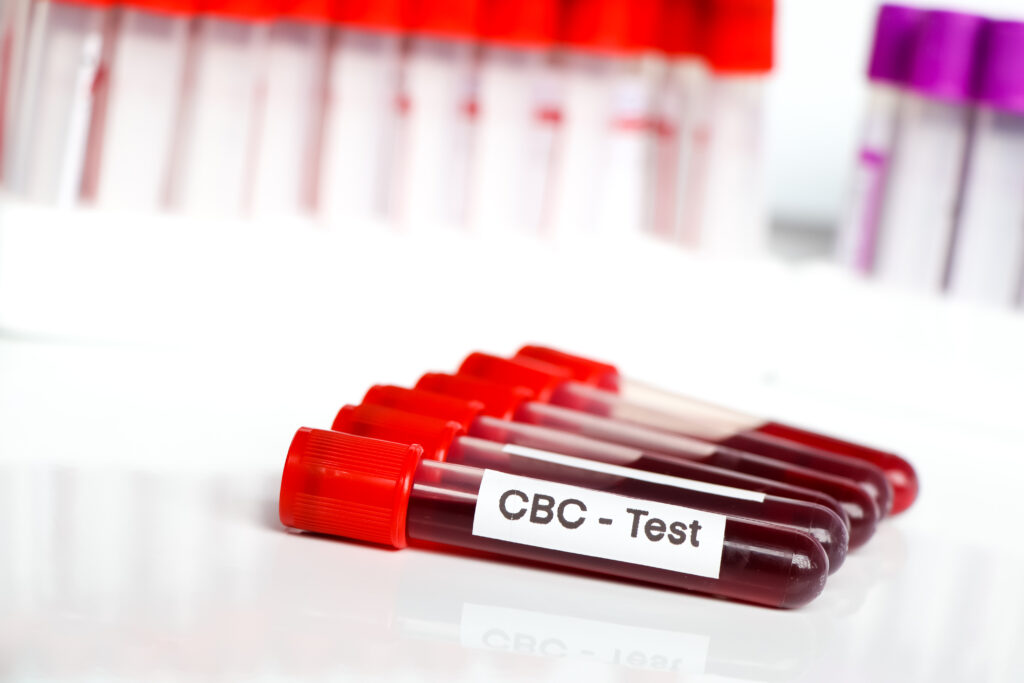
Complete Blood Count (CBC) is a fundamental diagnostic test routinely performed in medical settings to assess various components of blood
What is CBC
1 Definition: it is a laboratory test that evaluates the cellular components of blood, including red blood cells (RBCs), white blood cells (WBCs), and platelets.
2 Components Analyzed: it typically includes measurements of hemoglobin concentration, hematocrit levels, white blood cell count, red blood cell count, platelet count, and indices such as mean corpuscular volume (MCV), mean corpuscular hemoglobin (MCH), and mean corpuscular hemoglobin concentration (MCHC).
3 Methodology: it can be performed using automated hematology analyzers, which provide rapid and accurate results.
Benefits
- Helps in diagnosing various hematological disorders. Including anemia, infection, leukemia. and blood disorders
- Tracking disease progression and treatment efficacy in conditions such as leukemia. Lymphoma
- routine health check This allows for the early detection of hidden illnesses
- Preoperative CBC analysis helps assess patients’ overall health status and predict potential risks during surgical procedures.
Applications in Clinical Practice
- Anemia Diagnosis
- Infection Detection
- Thrombocytopenia Evaluation
- Bone Marrow Disorders
