

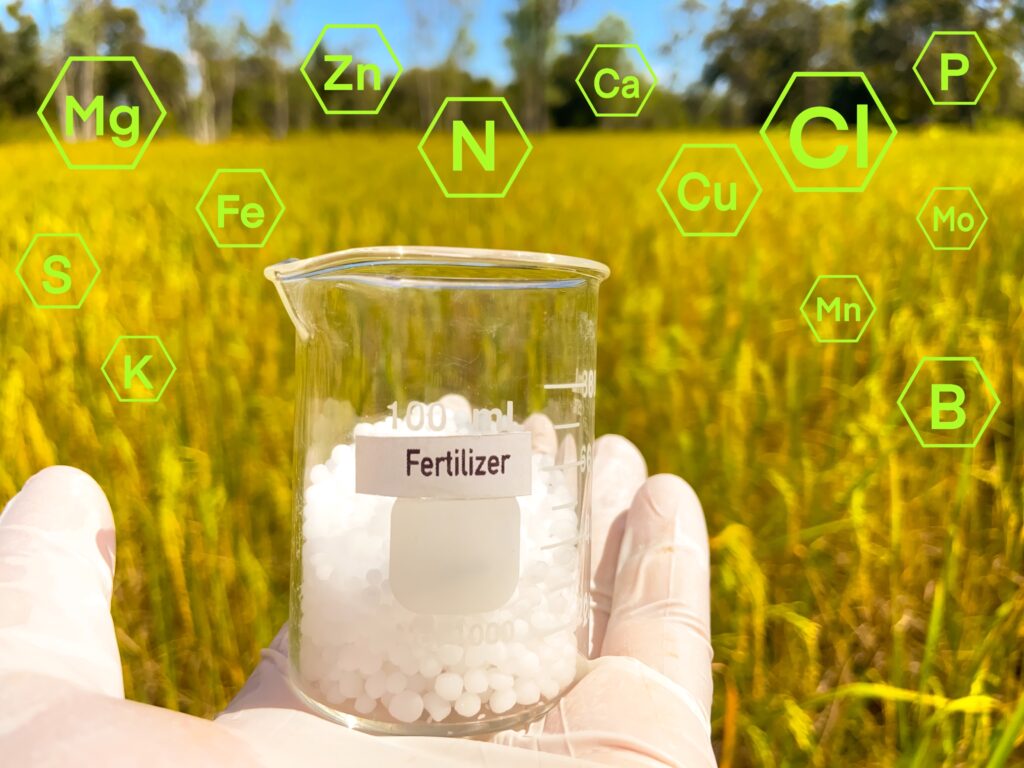
What is Fertilizer?
A fertilizer is a chemical or natural substance added to soil or plants to supply essential nutrients. These nutrients are vital for plant growth and development. Fertilizers can be classified into two broad categories: organic fertilizers and inorganic fertilizers.
Organic Fertilizers: These are derived from natural sources like manure, compost, or plant residues.
Inorganic Fertilizers: These are commercially produced fertilizers that contain synthetic chemicals. They are typically more concentrated than organic fertilizers and provide specific nutrients like nitrogen (N), phosphorus (P), and potassium (K)
Types of Fertilizers
-Granular Fertilizers
-Liquid Fertilizers
Advantages of Using Fertilizers
-Improved Soil Fertility
-Increased Crop Yield
-Enhanced Plant Health
Sustainable Fertilizer Practices
Organic Farming: Some farmers are turning to organic farming practices, which rely on natural fertilizers like compost and manure, as well as crop rotation and green manure (cover crops) to maintain soil fertility.
Nutrient Recycling: Techniques like composting and vermiculture help recycle nutrients back into the soil.
